

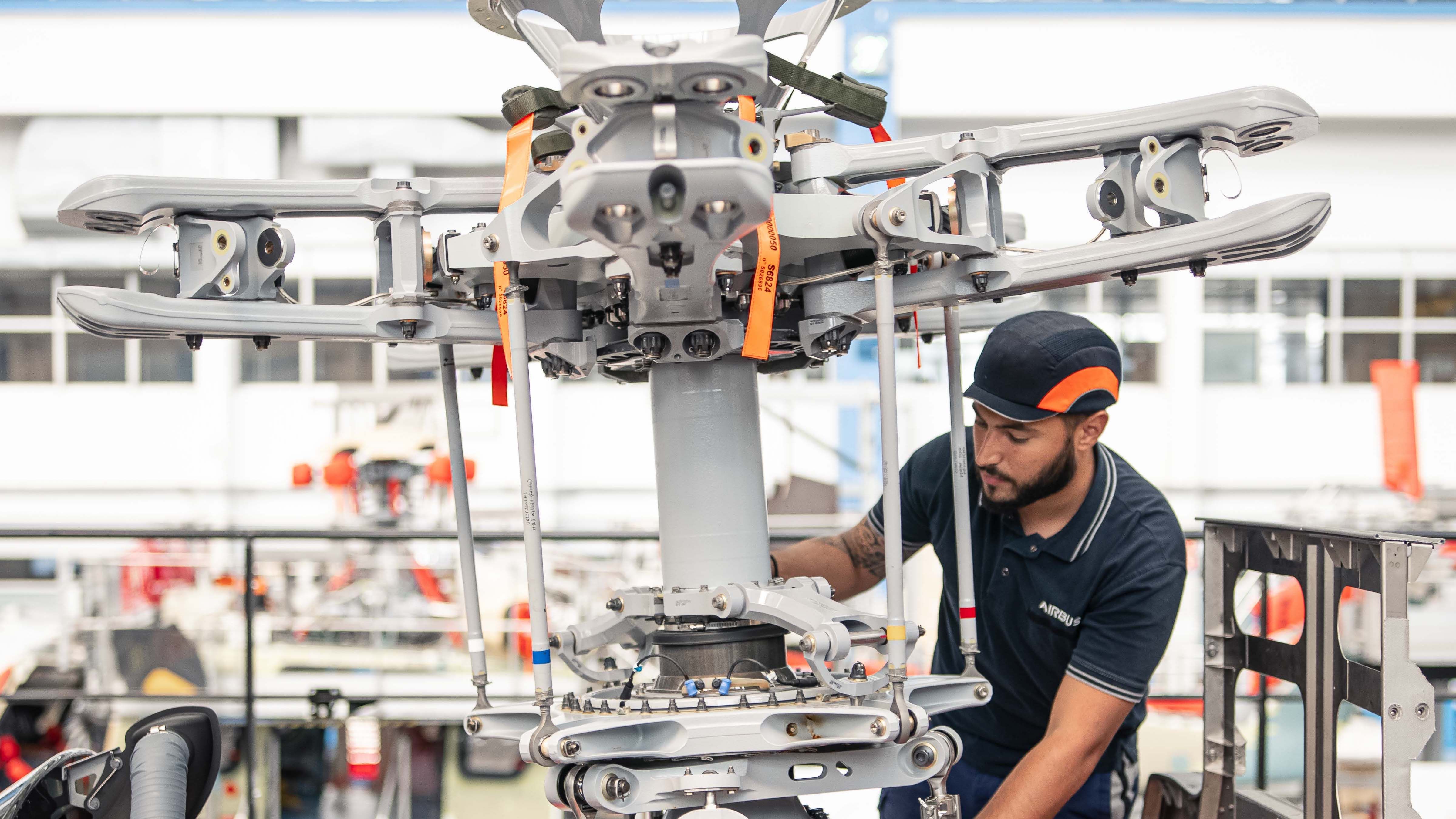
Aviation is an industry that has transformed the way we travel, connect, and do business. But behind every smooth takeoff and successful landing lies an intricate network of parts working in harmony to ensure safety, efficiency, and performance. While passengers might focus on the comfort of their seats or the entertainment options onboard, it is the aviation parts—often unseen—that are the true heroes of the skies. These components, from the engines to the smallest rivets, make air travel possible and safe.
The Backbone of Every Aircraft: Understanding Aviation Parts
At the heart of any aircraft are the essential components that make it function. aircraft gse parts can be categorized into several different systems, each playing a vital role. While many people are familiar with some major parts like engines and wings, the truth is that modern aircraft consist of thousands of parts working together to ensure safe and efficient operation.
-
Airframe Components: The airframe is the skeletal structure of the aircraft, encompassing the fuselage, wings, empennage (tail section), and landing gear. These parts provide the necessary structural integrity to withstand the forces of flight. Airframes are designed to endure the stresses and pressures of cruising at high altitudes and speeds while maintaining flexibility and weight reduction.
-
Powerplant Components (Engines): The engine is the driving force of an aircraft, producing the thrust needed to lift the aircraft off the ground and propel it forward. Engine parts include turbines, compressors, combustors, and exhaust systems, all of which must work flawlessly to ensure optimal performance. Modern jet engines are marvels of engineering, capable of running for thousands of hours before requiring any major overhauls.
-
Control Systems: Aircraft control systems are responsible for managing the aircraft’s movements in three dimensions—pitch, roll, and yaw. These systems include flight controls such as ailerons, elevators, rudders, and flaps, as well as avionics for navigation, communication, and monitoring. These parts help pilots maintain stability and execute precise movements throughout the flight.
-
Landing Gear and Braking Systems: While it’s easy to overlook, landing gear is one of the most critical systems of an aircraft. Landing gear ensures a safe and smooth landing, absorbing the impact of touching down on the runway. Braking systems are also essential, allowing the aircraft to slow down or come to a complete stop once it has landed.
-
Hydraulic and Electrical Systems: Aircraft hydraulic systems manage essential functions like landing gear deployment, braking, and wing flap operation. Electrical systems are also vital for lighting, navigation, and onboard communication. These systems are highly interdependent, and any malfunction in one area can potentially impact the entire operation of the aircraft.
The Role of Quality and Precision in Aviation Parts
Unlike many other industries, aviation has an incredibly high standard for the precision and reliability of its parts. Aviation parts are subjected to strict regulations and rigorous testing processes to ensure they perform under extreme conditions. Even the smallest malfunction can lead to catastrophic consequences, which is why aviation parts must meet exacting standards and undergo continuous inspection and maintenance.
One of the key regulatory bodies overseeing the production and certification of aviation parts is the Federal Aviation Administration (FAA) in the United States, along with international organizations such as the International Civil Aviation Organization (ICAO). These organizations set the standards for the design, production, and maintenance of aviation parts, ensuring that manufacturers comply with strict guidelines that prioritize safety above all else.
The Maintenance and Replacement of Aviation Parts
The maintenance of aviation parts is as crucial as their initial design and production. An aircraft's lifespan can extend for decades, but throughout this period, its parts must undergo regular maintenance to maintain optimal functionality.
Scheduled maintenance checks such as A, B, C, and D checks are carried out at specified intervals to monitor the condition of critical components. During these checks, parts are either serviced, repaired, or replaced depending on their condition and functionality. For example, after several thousand flight hours, the aircraft’s engine parts may need to be overhauled, or the airframe components may need to undergo fatigue inspections.
In addition to scheduled checks, parts also need to be inspected for wear and tear caused by the stresses of flight. High-performance parts, such as jet engines, require regular monitoring of temperature, pressure, and performance parameters to detect early signs of failure.
Technological Advancements and Innovation in Aviation Parts
The aviation industry is constantly evolving, with innovations in materials, manufacturing processes, and technologies aimed at improving the performance and efficiency of aircraft. New materials such as carbon fiber composites are being used more frequently in aircraft construction. These materials are not only lightweight but also incredibly strong and durable, reducing fuel consumption and extending the lifespan of key components.
Advances in 3D printing are also revolutionizing the production of aviation parts. This technology allows for more precise, cost-effective manufacturing of components, particularly for smaller parts that may not be readily available. In some cases, 3D-printed parts are used as replacements or enhancements for traditional components, offering significant time and cost savings.
Sustainability is another growing focus within the aviation sector. Airlines and manufacturers are working toward developing eco-friendly aviation parts designed to reduce environmental impact. For example, improvements in engine efficiency, the use of sustainable aviation fuel (SAF), and the development of quieter engines help reduce the carbon footprint of the aviation industry.
Challenges and the Future of Aviation Parts
While aviation parts have come a long way in terms of technological advancements and efficiency, the industry faces ongoing challenges. One of the primary concerns is the global supply chain for parts. The COVID-19 pandemic highlighted the vulnerabilities in supply chains, with shortages in materials and delays in parts delivery affecting aircraft maintenance schedules and production timelines.
The sustainability of aviation remains a challenge as well, with manufacturers looking to reduce the environmental impact of aircraft and their components. Innovations like electric propulsion systems and hydrogen-powered engines are being researched, and the eventual introduction of these technologies could reshape the way aviation parts are designed and produced.
Conclusion
Aviation parts are more than just mechanical components; they are the lifeblood of the aviation industry. Each part, no matter how small, contributes to the safety, reliability, and performance of an aircraft. From the engines that power the plane to the control systems that allow pilots to navigate the skies, every piece of an aircraft plays a pivotal role. As technology continues to advance, the future of aviation parts promises even greater innovation and safety, ensuring that air travel remains one of the safest and most efficient modes of transportation.

Leave a Reply