

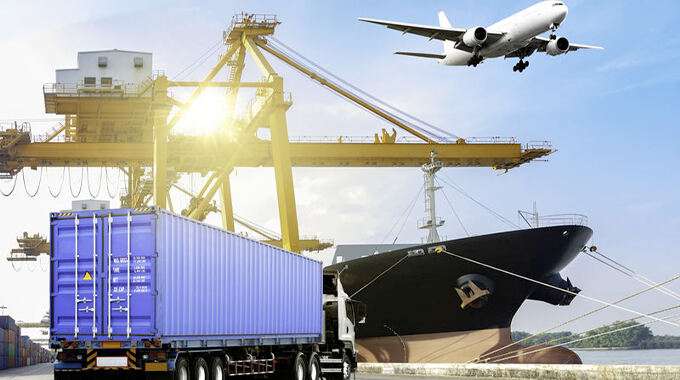
In recent years, the logistics industry has evolved dramatically to accommodate the growing demands of e-commerce, fundamentally changing the way businesses deliver products to consumers. The rise of online shopping has created new expectations for speed, convenience, and flexibility, forcing logistics providers to develop innovative solutions that meet these evolving consumer needs. From faster delivery times to enhanced tracking capabilities, businesses are under increasing pressure to ensure seamless logistics operations. This article explores the innovative American Trucking s that are reshaping e-commerce and driving greater consumer satisfaction.
One of the most significant innovations in e-commerce logistics is the use of advanced technology to streamline delivery processes. The integration of Artificial Intelligence (AI) and machine learning algorithms into logistics systems allows companies to predict demand more accurately, optimize delivery routes, and automate warehouse management. AI-powered tools help logistics providers reduce human error, lower costs, and ensure more efficient use of resources, leading to quicker turnaround times and better service for customers. Furthermore, real-time tracking systems powered by AI enable consumers to monitor their packages throughout the delivery process, increasing transparency and trust between buyers and sellers.
Another innovation transforming e-commerce logistics is the rise of same-day and next-day delivery services. As consumer expectations have shifted towards immediate gratification, companies have responded by investing in faster, more reliable shipping options. Retail giants like Amazon have set the standard for quick deliveries, and many smaller businesses are following suit by partnering with third-party logistics providers that specialize in rapid shipping. This has led to the development of localized distribution centers, closer to urban hubs, enabling quicker fulfillment of orders. These advanced logistics systems significantly reduce delivery times, helping to maintain customer satisfaction and loyalty.
In addition to speed, convenience is another key factor driving the evolution of logistics services. The rise of omnichannel retailing, where consumers expect to shop across multiple platforms and have flexible delivery options, has forced logistics companies to adapt. Offering services such as buy-online-pickup-in-store (BOPIS) or curbside pickup has become crucial for businesses looking to provide a seamless shopping experience. Consumers appreciate the convenience of choosing when and where to pick up their purchases, reducing wait times and improving the overall shopping experience.
Moreover, the growing emphasis on sustainability is prompting logistics companies to rethink their operations. With increasing environmental awareness, consumers are demanding eco-friendly delivery options. Companies are responding by exploring alternative packaging solutions, using electric delivery vehicles, and optimizing delivery routes to reduce carbon emissions. For instance, companies like UPS and DHL are investing in electric fleets, while others are incorporating more sustainable packaging materials to reduce waste. This trend toward greener logistics not only meets consumer expectations but also positions companies as responsible and forward-thinking brands.
The role of automation in warehousing and fulfillment is also reshaping logistics in e-commerce. Robotics and autonomous vehicles are being used to streamline the process of sorting, packing, and transporting products within warehouses, drastically improving efficiency and accuracy. Automated guided vehicles (AGVs) and drones are becoming more common in fulfillment centers, speeding up order processing and reducing human labor costs. This allows businesses to fulfill orders faster and more accurately, resulting in better customer experiences.
In conclusion, innovative logistics services are critical for e-commerce companies looking to meet the ever-growing expectations of consumers. By leveraging advanced technologies, offering faster delivery times, providing flexible and sustainable options, and embracing automation, businesses can stay competitive in a rapidly changing landscape. As consumer demands continue to evolve, logistics will remain a key differentiator in the success of e-commerce businesses, driving both operational efficiency and enhanced customer satisfaction.

Leave a Reply